
Exploring the Best 3D Printers: A Friendly Guide for Every Maker

Ever watched a 3D printer in action and wondered what makes one model better than another? I remember my first impression was awe mixed with confusion. That’s why I’m excited to share this guide—a friendly yet detailed look at the best 3D printers out there, what makes them tick, and how they can fit into your daily projects or business ventures. Whether you want to create custom gadgets, prototypes, or artistic pieces, understanding the fundamentals helps you pick the printer that clicks with your ideas and budget.
A Closer Look: What Makes the Best 3D Printers Stand Out
When it comes to choosing the best 3D printer overall , it’s not just about flashy looks or brand names. The real magic lies in the features that make your printing experience smooth, reliable, and versatile. Let’s break down what sets the top models apart, so you can find the perfect fit for your creative or professional needs.
Build Volume: The Foundation of Your Projects
One of the first things I consider is 3D printer build volume . This is the maximum size your printer can handle in a single print. For most users, a medium build volume—between 200mm and 300mm on each axis—hits the sweet spot, letting you print everything from phone stands to cosplay helmets without running out of space. Larger printers (up to 500mm) are fantastic for ambitious projects, but they take up more room and usually cost more.
"Choosing the right build volume can make or break your project success." — Prusa Research
Material Compatibility: Unlocking Creative Potential
Another key factor is print materials compatibility . The best 3D printers can handle a wide range of filaments, including PLA, PETG, ABS, and TPU. PLA is perfect for beginners due to its ease of use, while PETG and ABS offer more strength and heat resistance. If you want to experiment with flexible or advanced filaments, look for printers with heated beds and enclosed frames. Enclosed printers maintain a stable temperature, reducing warping and making it easier to print with materials like ABS or nylon.
Enclosed vs. Open Frame: Which is Right for You?
Open frame printers are lighter, more affordable, and great for PLA or PETG. However, if you plan to use advanced materials, enclosed frames are a game-changer. They keep dust out and heat in, which is essential for consistent results with demanding filaments. Think of it like baking: an enclosed oven gives you better control than an open fire.
User Interface: Touchscreens and Print Monitoring
Modern 3D printers often feature touchscreens, making navigation and setup much easier—especially if you’re new to 3D printing. Some models even offer Wi-Fi connectivity and built-in cameras for remote print monitoring, so you can check progress from your phone or laptop. These user-friendly touches save time and reduce frustration, especially during long or complex prints.
Dual Extruders: Multi-Material and Multi-Color Printing
Dual extruder printers let you print with two materials or colors at once. This opens up creative possibilities, like printing support structures in dissolvable filament or adding color accents without stopping the print. Keep in mind, dual extruders add complexity and cost, but for advanced users, the versatility is worth it.
Price Range: Features vs. Budget
3D printers range from $200 for entry-level models to over $1,000 for advanced machines. Features like larger build volume, heated beds, dual extruders, and touchscreens all affect the price. It’s like choosing a car—basic models get you from A to B, but premium features make the ride smoother and more enjoyable.
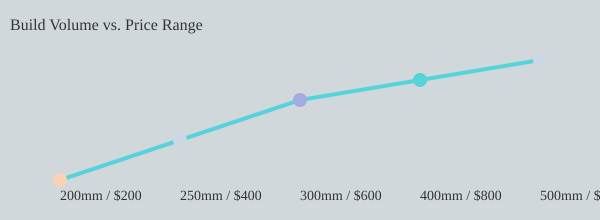
In summary, the best 3D printers stand out by offering the right balance of build volume , material compatibility , user-friendly interfaces, and advanced features—all at a price that matches your needs and ambitions.
Pros and Cons of Popular 3D Printers: A Balanced View
Choosing the best 3D printer can feel a bit like picking a new smartphone—there are many options, each with its own strengths and quirks. Whether you’re a beginner looking for an affordable 3D printer or a seasoned maker craving advanced features, understanding the pros and cons is key. Here, I’ll break down what you can expect from today’s most popular 3D printers, using real-world examples and practical insights to help you make a confident choice.
Ease of Use: Beginners vs. Pros
For newcomers, ease of use is often the top priority. Many entry-level models, like the Creality Ender 3 V2 or Anycubic Kobra Go , arrive mostly assembled and feature intuitive controls. These printers are designed to get you printing quickly, with minimal setup. On the other hand, advanced users might prefer printers like the Prusa i3 MK4 or Bambu Lab X1 Carbon , which offer more customization and features but require a bit more technical know-how.
Kit vs. Assembled Models
Some 3D printers come as kits, while others are ready to use out of the box. Kits, such as the Prusa Mini+ , encourage learning and hands-on experience, making them ideal for tinkerers. However, they do require assembly skills and patience. Assembled models, like the Flashforge Adventurer 4 , are perfect for those who want to start printing right away.
Pros: Why 3D Printers Are Game-Changers
- Versatility: Print everything from phone stands to cosplay props, spare parts, and prototypes.
- Creativity Boost: Turn digital ideas into real objects, perfect for artists, engineers, and hobbyists.
- Rapid Prototyping: Test designs quickly, saving time and money compared to traditional manufacturing.
- Affordability: Entry-level models typically range from $200–$400, making them accessible for most makers.
Cons: What to Watch Out For
-
Maintenance Requirements:
Regular cleaning, lubrication, and calibration are essential. As one 3D
printing expert says,
“Maintenance is where many users lose patience, but it’s crucial for print success.”
- Learning Curve: Beginners may face challenges with software, bed leveling, and troubleshooting issues like filament jams or poor adhesion.
- Initial Investment: While affordable 3D printers exist, higher-end models and materials can add up.
- Print Speed vs. Quality: Faster print speeds (up to 100 mm/s) can reduce detail, while slower speeds (around 40 mm/s) yield higher-quality results.
Common Troubleshooting Issues
- Calibration: Ensuring the print bed is level is crucial for good results.
- Filament Jams: Regular cleaning and proper filament storage help prevent clogs.
- Software Glitches: Keeping firmware and slicer software updated can minimize errors.
SVG Chart: Pros and Cons Frequency in User Reviews

This chart visualizes how often users mention key pros and cons in reviews, helping you see what matters most to real owners.
Who Should Buy Which 3D Printer? Matching Needs and Models
When it comes to choosing the best 3D printer, one size definitely does not fit all. The right model for you depends on your projects, budget, and even the space you have available. As an industry analyst wisely put it:
"Choosing the right printer depends largely on your intended projects and materials."
Let’s break down the main user groups—hobbyists, educators, small businesses, and cosplayers—and match them with ideal 3D printer use cases, build volumes, and features. This way, you can easily find a model that fits your needs, whether you’re printing custom miniatures, classroom models, prototype parts, or cosplay props.
Hobbyists: Affordable 3D Printers for Beginners
If you’re just starting out, you’ll likely want something affordable, easy to use, and reliable. Most hobbyists work on smaller projects like figurines, phone stands, or household gadgets. For these, a printer with a build volume around 200–220mm (about 8 inches) is usually enough.
- Recommended Models: Look for entry-level models like the Creality Ender 3 or Anycubic Kobra Go. These are budget-friendly, have strong community support, and are easy to assemble. Check latest price here
- Pros: Low cost, simple setup, great for learning
- Cons: Limited build volume, fewer advanced features
Example: Printing custom chess pieces or replacement parts for home gadgets.
Educators: Reliable and Safe Classroom Tools
Teachers and schools need printers that are safe, reliable, and easy to maintain. Features like enclosed build chambers and auto-bed leveling are important for safety and ease of use. A 200–300mm build volume is perfect for most educational projects.
- Recommended Models: FlashForge Adventurer 4 or Prusa Mini+. These offer safety features and consistent results. See customer reviews here
- Pros: Reliable, safe, easy to use
- Cons: Slightly higher price, but worth it for classroom safety
Example: Printing geometric shapes for math lessons or simple engineering prototypes.
Small Businesses: Versatile and Fast Production
For small businesses, speed, versatility, and larger build volumes (250–300mm+) are key. These users often print prototype parts, marketing samples, or even short production runs. Multi-material capability can also be a big plus.
- Recommended Models: Prusa i3 MK4 or Bambu Lab X1 Carbon. These offer speed, reliability, and support for multiple materials. Check latest price here
- Pros: Fast, versatile, supports advanced materials
- Cons: Higher upfront cost, but pays off with productivity
Example: Rapid prototyping of product enclosures or custom promotional items.
Cosplayers: Detail, Durability, and Medium Build Volume
Cosplayers need printers that can handle detailed, durable props and costume parts. A medium-to-large build volume (250–400mm) is ideal for helmets or armor pieces. Material compatibility for strong, paintable plastics is also important.
- Recommended Models: Artillery Sidewinder X2 or Creality CR-10 Smart . These offer larger build volumes and good detail. See customer reviews here
- Pros: Large build area, good for big props
- Cons: Takes up more space, longer print times
Example: Printing a Mandalorian helmet or detailed sword for a convention.
Advice for Advanced and Professional Users
Even professionals sometimes start with simpler models to test ideas before investing in high-end machines. If you need large build volumes (300–500mm+) or multi-material options, look for printers with modular upgrades or dual extruders.
Remember, your 3D printer should match your ambitions and your workspace. Whether you’re a beginner or a seasoned maker, there’s a perfect model out there for you.

Navigating the Maze: How to Choose the Right 3D Printer for You
Choosing the best 3D printer can feel a bit like wandering through a maze—there are so many options, features, and price points to consider. Whether you’re a hobbyist, student, or small business owner, the right 3D printer can open up a world of creativity and problem-solving. In this section, I’ll break down the key decision points to help you confidently select a model that fits your needs, budget, and skill level. This is your essential 3D printer buying guide, designed to make the process simple and stress-free.
Key Decision Points: What Matters Most?
- Budget: 3D printer price range is a major factor. Budget models (around $200–$400) are great for beginners, midrange printers ($400–$700) offer more features, and premium machines (over $700) deliver advanced capabilities. Remember, “Start simple, and grow with your 3D printing skills.” — Educational Consultant
- Space: Consider where you’ll place your printer. Desktop models are compact, while larger printers need more room.
- Print Size: Think about the maximum object size you want to create. Entry-level printers often have smaller build volumes, which is perfect for learning and prototyping.
- Material Versatility: Some printers only use basic PLA filament, while others handle ABS, PETG, or even flexible materials. More material options usually mean a higher price tag.
Kit vs. Assembled Models: Which Is Right for You?
- Kit Models: These require assembly at home. They’re typically more affordable and offer a hands-on learning experience. However, they demand patience and some technical skill.
- Pre-Assembled Models: Ready to use out of the box, these are ideal for beginners or anyone who wants to start printing right away. They often cost a bit more but save time and reduce setup errors.
Start Simple, Upgrade Over Time
If you’re new to 3D printing, I recommend starting with an affordable 3D printer that covers the basics. As your skills grow, you can upgrade to a model with more advanced features or a larger build volume. Think of it like learning to drive: you don’t need a race car on day one.
Must-Have Features for Reliable Printing
- Heated Bed: Helps with print adhesion and reduces warping, especially for ABS and PETG filaments.
- Filament Detection: Pauses printing if you run out of filament, saving time and materials.
- Power Recovery: Lets you resume printing after a power outage, preventing wasted prints.
These features are more common in midrange and premium models, but some budget-friendly printers now include them. Check latest price here .
Research, Reviews, and Warranty
- User Reviews: Real-world feedback is invaluable. Look for consistent praise or complaints about print quality, reliability, and customer support.
- Warranty & Support: A solid warranty and responsive customer service are crucial, especially for beginners. They provide peace of mind and help resolve issues quickly.
By considering these points, you’ll be well-equipped to find a 3D printer that matches your budget, space, and creative ambitions. For more details on affordable 3D printers and feature comparisons, see customer reviews here .
Keeping It Smooth: Maintenance and Care Tips for Longevity
When you invest in one of the best 3D printers, you’re not just buying a gadget—you’re opening the door to endless creativity and practical solutions for everyday life. But, like any valuable tool, your 3D printer needs regular care to perform at its best. In this section, I’ll share essential 3D printer maintenance tips to help you enjoy smooth, reliable prints for years to come.
Routine Maintenance: The Foundation of Great Prints
Think of your 3D printer like a car: regular check-ups keep it running smoothly. The two most important tasks are cleaning and calibration . Dust, filament residue, and even tiny plastic particles can build up over time, leading to clogs or uneven prints. Wipe down the print bed and rails after every few prints. Use a soft brush or compressed air to gently remove debris from the extruder and fans.
3D Printer Calibration: Your Secret to Precision
Calibration is the process of fine-tuning your printer so it lays down each layer exactly where it should. Experts recommend calibrating your printer at least once a month, or whenever you notice issues like uneven layers or poor adhesion. This includes leveling the print bed and checking the nozzle height. Regular 3D printer calibration ensures each project comes out just right—no more wasted filament or failed prints.
Parts Replacement: Don’t Wait Until It Breaks
Some parts of your 3D printer naturally wear out with use. The most common replacements are nozzles (which can get clogged or eroded) and belts (which may stretch or crack). Inspect these parts every few months, and keep spares on hand for quick swaps. Replacing worn parts before they fail is key to avoiding unexpected downtime and maintaining print quality.
Firmware Updates: Small Changes, Big Improvements
Just like your smartphone, your 3D printer’s “brain” (its firmware) needs updates. 3D printer firmware updates often fix bugs, improve performance, and add new features. Check your manufacturer’s website regularly and follow their instructions to keep your printer up to date. It’s a simple step that can make a big difference in reliability and results.
Regular Inspections: Catch Problems Early
Set a schedule—maybe once a month—to inspect your printer for signs of wear and tear. Look for loose screws, frayed wires, or unusual noises. Early detection means easy fixes, while ignoring small issues can lead to bigger, costlier problems down the road.
Filament Storage: Protect Your Materials
Filament is the “ink” of your 3D printer, and it’s sensitive to moisture. Store spools in airtight containers with silica gel packs to prevent water absorption, which can cause brittle prints and nozzle jams. Proper storage keeps your filament fresh and your prints strong.
"A well-maintained printer is a happy printer." — 3D Printer Technician
The Cost of Neglect
Skipping maintenance can lead to print defects, wasted materials, and even permanent damage to your machine. By following these simple 3D printer maintenance tips , you’ll extend your printer’s lifespan and enjoy consistent, high-quality results—whether you’re making prototypes, toys, or household tools.
Final Verdict: Which 3D Printer Should Be Your Next Companion?
Choosing the best 3D printer overall can feel a bit like picking the perfect travel companion—there’s no single answer, but there is a right fit for your journey. After exploring the top models, comparing features, and considering real-world uses, it’s clear that the ideal 3D printer balances print volume, material compatibility, and price. Whether you’re a beginner eager to create your first prototype or a seasoned maker ready for advanced projects, your next 3D printer should empower you to experiment, learn, and grow.
Key Points: Volume, Material, and Price
When reading 3D printer reviews and comparisons , three factors stand out:
- Print Volume: Larger build areas let you print bigger objects or multiple parts at once, but they also take up more space and can cost more.
- Material Compatibility: Some printers handle only basic PLA, while others support a wide range of filaments like ABS, PETG, or even flexible TPU. Think about what you want to make and choose accordingly.
- Price: Entry-level models are affordable and great for learning, while higher-end machines offer more features and reliability. Set a budget, but remember that support, upgrades, and materials are part of the long-term investment.
Why the Prusa CORE One Stands Out
For most makers, the Prusa CORE One hits the sweet spot. It’s like the Swiss Army knife of 3D printers—versatile, reliable, and backed by a strong community. Whether you’re printing detailed miniatures, functional prototypes, or household gadgets, the CORE One’s balance of print quality, ease of use, and upgrade potential makes it a smart choice. It’s available as both a kit and fully assembled, so you can choose your level of hands-on involvement. Check latest price here .
Start Simple, Upgrade as You Grow
If you’re new to 3D printing, don’t feel pressured to buy the most advanced model right away. Starting with a simple, user-friendly printer encourages experimentation and builds confidence. As your skills grow, you can upgrade components or move to a more advanced machine. This approach keeps things fun and manageable—like learning to ride a bike before tackling a motorcycle.
Experimentation and Creativity Matter Most
Remember, the real magic of 3D printing comes from your own creativity. Try new designs, test different materials, and don’t be afraid to make mistakes. Each print is a learning opportunity, and the journey is just as rewarding as the finished object.
Community Support and Learning Resources
One of the biggest advantages of popular printers like the Prusa CORE One is the wealth of online resources. From troubleshooting guides to design sharing platforms, you’ll find answers and inspiration at every turn. A strong community means you’re never alone—there’s always someone ready to help or share a clever tip.
"The best printer is the one you’ll actually use and enjoy." — Maker Community Leader
So, whether you’re printing for fun, function, or future business ideas, choose a printer that fits your needs, budget, and curiosity. The world of 3D printing is wide open—explore, experiment, and make it your own!
3D Printers FAQ: Quick Answers to Common Questions
As we wrap up our exploration of the best 3D printers, it’s natural to have a few lingering questions—especially if you’re new to the world of 3D printing or considering your first purchase. This FAQ section is designed to address the most common concerns I hear from readers, whether you’re a hobbyist, a student, or just curious about how 3D printers can fit into your creative projects. Let’s dive into these quick answers to help you make the most informed decision possible.
What should I look for in a beginner 3D printer?
When you’re just starting out, ease of use should be your top priority. Look for a 3D printer with a straightforward setup process, clear instructions, and a user-friendly interface. Many of the best budget 3D printers now come with features like auto-bed leveling, touchscreen controls, and reliable customer support. These features can make your first experience much smoother and less intimidating. Also, consider the size of the printer—compact models are perfect for home use and small workspaces. If you’re unsure where to start, check out our 3D printer buying guide for specific recommendations and see customer reviews here.
How important is filament compatibility?
Filament compatibility is crucial for both beginners and experienced makers. The type of filament your 3D printer supports determines what kinds of projects you can tackle. Most entry-level printers work with PLA, which is easy to use and safe for indoor environments. However, if you want to experiment with stronger or more flexible materials like ABS, PETG, or TPU, make sure your printer can handle higher temperatures and has a heated bed. Material compatibility can open up a world of possibilities, so always check the manufacturer’s specifications before buying. For more on this, see our tips on choosing the right printer for your needs.
What maintenance does a 3D printer require?
Regular maintenance is the key to keeping your 3D printer running smoothly and producing high-quality prints. Basic tasks include cleaning the print bed, checking for filament jams, and occasionally lubricating moving parts. It’s also important to keep the nozzle clear and replace it if you notice clogs or inconsistent extrusion. Many modern printers are designed with easy maintenance in mind, but it’s still worth reading the manual and following the manufacturer’s 3D printer maintenance tips . A little care goes a long way toward extending the life of your machine.
Are kits or assembled models better?
This depends on your comfort level and interest in tinkering. Assembled models are ready to use out of the box, making them ideal for beginners or anyone who wants to start printing right away. Kits, on the other hand, require assembly but offer a deeper understanding of how your printer works. Building a kit can be a rewarding project in itself, and it may help you troubleshoot issues down the line. If you’re new to 3D printing, I recommend starting with an assembled model—then, as your confidence grows, you can explore kits for more customization.
What print volumes are typical for hobby projects?
For most hobbyists, a print volume of around 220 x 220 x 250 mm is more than enough for everyday projects like figurines, tools, or household gadgets. Larger printers are available if you plan to create bigger items, but keep in mind that they take up more space and may require more maintenance. Think about the types of objects you want to make and choose a printer that fits your ambitions without overwhelming your workspace.
In summary, choosing the best 3D printer comes down to understanding your needs, budget, and willingness to learn. With the right information and a bit of practice, anyone can unlock the creative potential of 3D printing. If you’re ready to start your journey, check the latest price here and happy printing!
TL;DR: 3D printers open a world of creative possibility, but choosing the right one means balancing budget, features, and intended use. From compact enough for home desks to large models for detailed prototypes, the best 3D printers cater to diverse needs. Consider build volume, material compatibility, and extra features like dual extruders or touchscreens. Maintenance tips keep your printer humming for years, and reviews help guide confident buying decisions. Whether you’re a hobbyist or professional, there’s a 3D printer waiting for you to bring ideas to life.


Leave a Comment