
Navigating the Karakoram Highway: Adventure, Danger, and Legacy on the World's Most Dangerous Road

When I first heard about the Karakoram Highway, dubbed the world's most dangerous road, I imagined a thrilling adventure through towering mountains and breathtaking views. But nothing prepared me for the reality — a narrow ribbon of road carved precariously over cliffs, where one misstep could be fatal. My journey began in Islamabad and took me through the heart of Gilgit Baltistan, facing landslides, relentless rain, and the grim legacy of those who lost their lives building this highway. This blog isn't just about the road; it's about the human spirit confronting danger and nature's fury on this treacherous path.
Setting the Stage: The Karakoram Highway’s Historical and Geographical Context
Traveling along the Karakoram Highway, I am constantly reminded of its reputation as the “Eighth Wonder of the World.” This road is not just a route between two countries; it is a living monument to human determination, sacrifice, and the power of international cooperation. Stretching between Islamabad, Pakistan, and Kashgar, China, the highway covers a staggering 1,300 to 1,400 kilometers, cutting through some of the most formidable landscapes on Earth.
The Route: Linking Nations and Mountain Ranges
The Karakoram Highway—also known as the Pakistan China Highway or the China-Pakistan Friendship Highway—serves as a vital artery between South and Central Asia. Its path winds through the heart of the Karakoram, Pamir, Hindu Kush, and Himalayan mountain ranges. These are not just ordinary mountains; they include some of the world’s highest peaks, such as Nanga Parbat, the ninth tallest mountain globally. The highway itself reaches elevations up to 18,000 feet, making every kilometer a challenge for both engineers and travelers.
Historical Roots: From Silk Road to Strategic Corridor
What makes the Karakoram Highway even more fascinating is its deep historical context. The route closely follows ancient Silk Road paths, which for centuries carried traders, pilgrims, and armies between East and West. When construction began in 1959, the goal was not only to create a modern trading route but also to strengthen the bond between Pakistan and China. After two decades of relentless work, the highway was completed in 1979, standing as a symbol of friendship and strategic partnership.
Engineering Feats Amid Perilous Geography
Building the Karakoram Highway was a monumental task. The terrain is unforgiving, with steep slopes, active glaciers, and frequent seismic activity. Landslides and rockfalls are common, and the weather can shift from blazing sun to blizzard in a matter of hours. As a result, the road is internationally renowned for its engineering challenges and dangers. It’s no wonder that the highway earned the nickname,
“Karakoram Highway is called the Eighth Wonder of the World due to its extraordinary construction amidst perilous geography.”
The Human Cost: Construction Fatalities and Sacrifice
The story of the Karakoram Highway is not just about stone and asphalt; it is also about the people who made it possible. More than 1,000 workers—both Pakistani and Chinese—lost their lives during construction, mainly due to landslides, falls, and harsh conditions. The human cost is a somber reminder of the risks taken to bridge these mountains. Even today, the road remains dangerous, with frequent accidents and ongoing maintenance challenges.
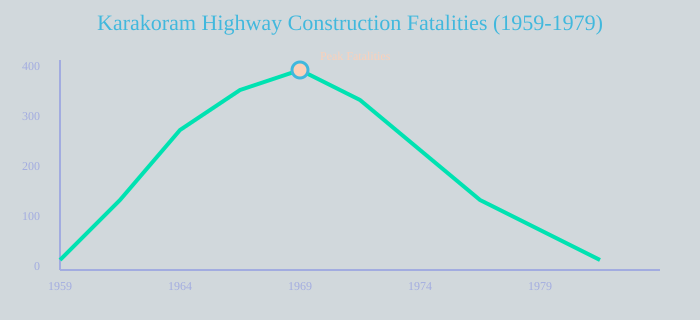
Today, as I travel through the Baltistan Gilgit region, I see firsthand the legacy of this road. Villagers living near Nanga Parbat still rely on the highway, even as it faces neglect and frequent hazards. The Karakoram Highway stands as a blend of modern infrastructure and ancient pathways, a testament to the enduring spirit of those who dared to connect worlds across the roof of the world.
The Journey Begins: From Islamabad to the Threshold of Danger
Every adventure has a starting point, and for us, it was the bustling city of Islamabad—the capital of Pakistan and the gateway to the legendary Karakoram Highway. As we prepared to leave behind the relative comfort and order of the city, a sense of anticipation mixed with nervousness settled over our group. We knew the road ahead was more than just a route; it was a passage through some of the world’s most dangerous and unpredictable terrain. The Karakoram Highway, often called the “Eighth Wonder of the World,” is notorious for its hazardous road conditions, steep cliffs, and unpredictable weather. Our destination was Gilgit Baltistan, a region famous for adventure travel but equally infamous for its treacherous roads.
Setting Out: Islamabad to Muzaffarabad
Our journey began early in the morning. We boarded a bus in Islamabad, heading north toward Muzaffarabad, where we planned to meet our private driver. The initial segment of the trip was relatively straightforward, but the atmosphere inside the bus was tense. Everyone seemed aware that we were leaving behind the safety of the city and moving toward the unknown. The road was already showing signs of neglect, with potholes and rough patches hinting at the challenges to come.
Security Checks and Regional Sensitivities
As we traveled deeper into the region, the presence of security protocols became more apparent. At one point, the bus came to a sudden halt. A man with a camera boarded and instructed all passengers to lower their masks. He moved down the aisle, recording each of our faces for identity checks. This unexpected encounter was a stark reminder of the geopolitical sensitivities and the heightened security measures in place. The region’s instability was palpable, and the psychological impact of these checks was significant. It was clear that we were entering an area where both the environment and the human element could be unpredictable.
Approaching the Zero Point of Danger
After hours on the road, we reached what locals call the “zero point of danger.” This spot marks the psychological and physical threshold where the real risks of the Karakoram Highway begin. The landscape shifted dramatically—lush valleys gave way to steep, rocky mountains, and the road narrowed alarmingly. The air inside the bus grew heavier as everyone braced themselves for what lay ahead.
"We reached the zero point of danger. Here we go. A journey roughly between 12 to 15 hours."
This quote echoed through my mind as we crossed into the high-risk zone. From this point, the journey to Gilgit would take anywhere from 12 to 15 hours, depending on road conditions, weather, and unforeseen delays. The slow pace was not just due to distance but also the hazardous nature of the road itself—sharp turns, landslides, and frequent accidents were all part of the experience.
The Karakoram Highway: A Legacy of Adventure and Danger
The Karakoram Highway is more than just a road; it is a legacy carved into the mountains by the hands of villagers and workers who braved unimaginable conditions. Originally opened by the villagers of Nanga Parbat—the ninth highest mountain in the world—the road has seen little restoration since. Its neglected state adds to the danger, with crumbling edges and sections barely wide enough for a single vehicle. For adventure travel enthusiasts, this is both a challenge and a draw, but for locals, it is a daily risk.
Travel time: From the zero point to Gilgit, the journey can last 12 to 15 hours.
Start time: We set off around 11 a.m., expecting to reach our destination late in the evening, sometimes as late as 11 p.m.
Road conditions: Narrow, winding, and often neglected, with frequent landslides and rockfalls.
Emotional state: A mix of excitement and anxiety, heightened by the visible tension among fellow travelers.
As we pressed onward, the reality of the Karakoram Highway set in. The journey from Islamabad to the threshold of danger was just the beginning, but it had already set the tone for the adventure—and the risks—that lay ahead.
Peril on the Path: Landslides, Rockfalls, and Traffic Failures
Traveling the Karakoram Highway is an experience defined by constant danger, especially from landslides, rockfalls, and frequent road accidents. As we move forward, the threat of a rock falling on us is always present. Vehicles coming from the opposite direction often wait for us to pass through the narrowest parts of the road, where the cliff drops sharply on one side and the mountain looms on the other. The tension is real—at any moment, a rock could come crashing down.
Landslides and Rockfalls: A Constant Threat
In this region, landslides and rockfalls are not rare events—they are a daily reality, especially after the monsoon rains. During our journey, a rock actually fell on our car, followed by a chorus of shocked reactions. Just minutes ahead, a military vehicle had plunged off the cliff, a stark reminder of how quickly disaster can strike. The scene was grim: an ambulance arrived, and we learned there were casualties in this fresh accident. As someone pointed out the spot where the car rolled down, we watched as people were taken out of the wreckage one by one. The words stuck with me:
"The car rolled down from the spot he's pointing at and people lost their lives."
Looking around, we could see where rocks had smashed steel barriers to pieces. The risk was everywhere—just standing there, we knew a rock could fall at any moment.
"Lots of rocks are rolling down. You'll see points where rocks fell onto steel barriers and smashed them."
Narrow Roads and Heavy Vehicles: A Deadly Combination
The narrow roads of the Karakoram Highway are made even more dangerous by the presence of heavy vehicles like loaded trucks. These trucks often take up most of the space, forcing cars and smaller vehicles dangerously close to the edge. At one point, a rock fell directly onto our car’s front window, a chilling reminder of how vulnerable we were.
Three accidents witnessed in a single day
More than 1,000 deaths during construction due to rockfalls and landslides
Road narrowness increased by heavily loaded trucks
Road Damage and Traffic Failures
The road itself is in constant disrepair. Collapsed sections, lack of drainage, and stagnant puddles are common. After heavy rain, the road becomes even more treacherous. At one point, our car’s tire was punctured by a nail, and we had to pump air into it as a temporary fix. The bumpy, uneven surface made the car pull to the right, making every turn a test of skill and nerve. Sometimes, even the most experienced drivers become passengers, powerless against the road’s unpredictable dangers.
We watched as local villagers tried to patch a damaged section of road with their bare hands, working for over 20 minutes while hoping no rocks would fall from above. Their efforts highlight the lack of official maintenance and the resilience of the people who live here.
Emergency Response and Local Resilience
When accidents happen, emergency response is often slow or limited by the same road conditions that cause the accidents in the first place. Roadside barriers are frequently damaged or missing, increasing the risk of fatal falls. The combination of poor road repairs, inadequate traffic control, and the relentless threat of nature makes every kilometer a challenge.
Driving the Karakoram Highway means accepting that danger is always near. The road tests not just vehicles, but the patience, skill, and courage of everyone who travels it.

In the Eye of the Mountain Storm: Environmental and Terrain Challenges
Traveling the Karakoram Highway is not just a journey through history and culture—it is a direct encounter with some of the world’s most formidable natural forces. As I drive along this legendary route, I am constantly reminded of the words:
“Pakistan is a mountain country. Four of the world’s 14 mountains exceeding 26,000 feet are in this region.”
The sheer scale of the mountain ranges—Karakoram, Himalayas, Hindu Kush, and Pamirs—creates a landscape that is both breathtaking and intimidating.
Mountain Ranges and High Altitude: The Thin Air Challenge
The Karakoram Highway climbs to dizzying heights, with stretches like Fairy Meadows reaching altitudes of 10,800 feet above sea level. At these elevations, the air is thin and every breath feels like an effort. For travelers not used to high altitude, altitude sickness is a real risk. Headaches, nausea, and fatigue are common companions, especially as we ascend higher into the mountains. The road itself is often little more than a narrow ribbon clinging to sheer cliffs, with steep drops that leave no room for error.
Weather Extremes: Heavy Snow and Monsoon Rains
Weather on the Karakoram Highway is as unpredictable as the terrain. The region is battered by heavy snow in winter, which closes high passes like Khunjerab from October to May. During the monsoon months of July and August, torrential rains trigger rockslides, flooding, and road collapses. I have seen entire sections of the road washed away overnight, leaving only twisted metal and broken concrete behind. “Overcoming them requires patience, talent, and nerves of steel.”
Sinkholes, Flooding, and Poor Drainage
One of the most persistent challenges is the lack of proper drainage. Floods and puddles collect on the bumpy, uneven road surface, which has no drains. Sinkholes form suddenly, swallowing sections of the highway and making travel even more dangerous. I remember one stretch where the road had collapsed completely. Our vehicle lurched and our stomachs churned as we navigated the broken ground. The feeling of helplessness is hard to describe when you realize there is no easy way forward—or back.
Seismic Activity: The Unpredictable Force
Adding to the danger is the constant threat of seismic activity. The Karakoram region sits atop active fault lines, and earthquakes are not uncommon. Tremors can trigger landslides or cause the ground beneath the road to shift, leading to sudden collapses. The landscape is always changing, shaped by forces far beyond human control.
Mechanical Strain and Emergency Preparedness
The harsh environment takes a toll on vehicles as well as people. On one occasion, our car’s right rear tire went flat, pulling us dangerously toward the edge. With no way to patch it, we had to pump air in as a temporary fix, each mile feeling like torture. Breakdowns are common, and every traveler must be prepared for emergencies—carrying spare tires, tools, and enough supplies to last if stranded.
Mountain Ranges: Karakoram, Himalayas, Hindu Kush, Pamirs
High Altitude: Over 10,000 feet, risk of altitude sickness
Sinkholes & Flooding: Poor drainage, frequent road washouts
Seismic Activity: Earthquakes and landslides reshape the terrain
Heavy Snow: Seasonal closures, treacherous conditions
The Karakoram Highway is a living testament to the power of nature. Every mile is a reminder that in this environment, vigilance, patience, and resilience are not just virtues—they are necessities for survival.
Endurance Through Unseen Trials: Personal Reflections from the Journey
Adventure travel along the Karakoram Highway is not just about breathtaking landscapes or the thrill of being on one of the world’s most dangerous roads. It is a test of endurance, patience, and adaptability. Every mile in Gilgit Baltistan brings new challenges, both seen and unseen, that push travelers and drivers to their limits. My journey on this legendary route was marked by a series of mechanical failures, harsh road conditions, and moments that tested my mental and physical strength.
Vulnerability on the Road: Tire Punctures and Mechanical Failures
The journey began with a sense of excitement, but it wasn’t long before reality set in. At 5:26, we noticed a leak in our tire. By 5:28, a nail had penetrated through, and soon after, a rock fell dangerously close. The vulnerability of our vehicle became clear. The Karakoram Highway is notorious for its unpredictable road conditions, and even the most prepared vehicles are not immune. When our right rear tire went flat, the car started pulling to the right, making every turn feel risky. We could not find a proper repair shop, so we pumped air into the tire as a temporary fix. This was not a solution, just a way to keep moving. As I wrote in my notes,
"This is such a torture."
Physical Toll: Stomach Sickness and Exhaustion
The rough, collapsed roads took a toll on our bodies. The constant jolting and swaying made our stomachs churn. I remember vividly,
"Our stomachs feel sick while going through collapsed roads."
The lack of proper drainage meant that floods and puddles lingered, making the already bumpy ride even more challenging. The physical exhaustion was matched only by the mental strain of knowing that another breakdown could happen at any moment.
Mental Endurance: From Skilled Driver to Helpless Passenger
Our driver, who was highly skilled and confident on normal roads, found himself overwhelmed by the dangers of the Karakoram Highway. At one point, he admitted,
"This road is so dangerous our driver cannot drive on it anymore."
The psychological stress was evident. There were moments of fear when rocks fell onto the car’s front window, and moments of excitement as we navigated narrow passes with loaded trucks squeezing by. But exhaustion and anxiety often took over, especially when the road collapsed beneath us or when we had to rely on temporary fixes to keep moving.
Off-Road Hardships: Dismal Lodging and Limited Resources
The hardships did not end when we left the vehicle. The hotels and guesthouses along the route were basic at best, with poor conditions reflecting the underdeveloped infrastructure of the region. After a long day of battling the road, finding a comfortable place to rest was nearly impossible. These off-road challenges added another layer of difficulty to the journey, reminding us that adventure travel in Gilgit Baltistan is not for the faint-hearted.
Resilience of Local Communities: Heroes of the Highway
One of the most humbling experiences was witnessing local villagers patching the road with their bare hands. For 20 minutes, we watched as they worked together, using whatever materials they could find to make the road passable. Their bravery and resilience were inspiring. Despite the dangers, they played a crucial role in keeping the highway open, often risking their own safety for the sake of others. Their efforts highlighted the importance of community and the human spirit in overcoming travel hardships.
Traveling the Karakoram Highway is a journey through extremes—of landscape, emotion, and endurance. The road conditions, mechanical failures, and the mental and physical challenges faced by both drivers and travelers are a true test of character. It is an experience that leaves a lasting mark, shaped as much by the unseen trials as by the stunning scenery of Gilgit Baltistan.
The Final Stretch: Reaching Fairy Meadows and Reflecting on the Journey
As I approached the end of my adventure travel in Gilgit, the anticipation built with every mile. The last leg of the journey to Fairy Meadows is not just a test of endurance, but a true measure of one’s resolve. This final stretch, leaving the Karakoram Highway behind, is where the road’s reputation as the most dangerous road in the world is truly earned.
From Karakoram Highway to Tatto Village: The Narrow Climb
The path to Fairy Meadows begins with a turn off the Karakoram Highway, leading toward Tatto Village. Here, the road narrows dramatically, clinging to the mountainside with barely enough space for a single vehicle. The climb is steep and the drop-offs are sheer, with no guardrails to offer comfort. Every twist and turn demands full attention, and the vehicle’s slow crawl is a reminder of the risks that come with adventure travel in Gilgit Baltistan.
Elevation: The journey climbs steadily, with the air thinning as we ascend toward 10,800 feet.
Road Conditions: The surface deteriorates, turning from rough gravel to loose rocks, making every meter a challenge.
Physical and Mental Challenge: Fatigue sets in after hours of tension, but the promise of what lies ahead keeps me going.
Approaching Fairy Meadows: A Sight from the Heavens
After nearly 24 hours on the road from Islamabad, including brief stops for rest and food, I finally reached the last stop: Fairy Meadows. The journey’s end is nothing short of breathtaking. As I stepped out, I was greeted by a landscape that truly felt like a “sight from heavens reached by passing through the clouds at 10,800 feet.” The meadows, lush and green, are set against the dramatic backdrop of Nanga Parbat, the world’s ninth-highest mountain. Clouds drifted below and around me, giving the surreal feeling of standing above the world.
The Cost of Beauty: Danger and Loss
Yet, the beauty of Fairy Meadows comes at a steep price. The road here is infamous for its danger.
“Many adventurers who wanted to see there have lost their lives on the road.”
The path is unforgiving—one wrong step or moment of inattention can be fatal. The stories of those who never made it serve as a sobering reminder of the risks involved. As I walked the final steps, I couldn’t help but hope, “I hope it doesn’t take a wrong step.”
Endurance and Reflection
The journey to Fairy Meadows is not just about reaching a destination; it’s about confronting the limits of physical and mental endurance. Nearly 24 hours of travel, much of it on the world’s most dangerous road, leaves a mark. My body ached, and my mind was weary, but the sense of accomplishment was overwhelming. The spectacular views, the high altitude, and the sense of isolation all combined to create an experience that was both humbling and exhilarating.
Fairy Meadows: A high-altitude paradise accessible only to the brave and well-prepared.
Legacy: Every traveler here becomes part of a legacy—one that honors both the beauty and the dangers of Gilgit Baltistan’s wild places.
Respect: The journey is a reminder that natural wonders often demand respect, preparation, and a willingness to accept risk.
The final stretch to Fairy Meadows is a journey through danger, beauty, and self-discovery—an adventure that lingers long after the road ends.
Wild Card: The Human Cost and the Spirit of Adventure
Traveling the Karakoram Highway is not just about witnessing breathtaking landscapes or conquering one of the world’s most dangerous roads. It is also about acknowledging the deep human cost woven into every curve and cliff. Over 1,000 lives were lost during the highway’s construction, and many more have perished since, making this road a living memorial—a testament to human endurance, sacrifice, and the relentless pursuit of connection across impossible terrain.
As an independent documentary filmmaker, I have seen firsthand how the Karakoram Highway is more than just a route for adventure travel. It is a place where the thrill of exploration meets the sobering reality of risk. Every journey along this highway is a test, not only of driving skill or physical stamina, but of courage and respect for nature’s unpredictable power. The road demands humility. It reminds us that adventure travel is never just about the destination, but about the mental and emotional trials we face along the way.
The statistics are stark, but behind every number is a human story. The workers who carved this road out of sheer rock, often with only basic tools, faced unimaginable danger. Their sacrifice is etched into the mountainsides, a silent reminder that progress often comes at a great price. Even today, travelers and locals alike risk their lives on this highway, drawn by necessity, curiosity, or the spirit of adventure. As I reflect on these stories, I am reminded of something I said in my documentary:
"There are some roads in life that shape people's lives, but this road ended many people's lives."
This duality—the beauty and the danger—defines the Karakoram Highway. It is a place where awe and fear mix, where the landscape inspires both wonder and caution. For many adventure travelers, this is exactly the appeal. The risk is not just a challenge to be overcome, but a reminder of our own vulnerability and resilience. The highway becomes a metaphor for life’s perilous paths and the choices we make. We are drawn to these journeys not despite the danger, but because of what we learn about ourselves when we face it.
Documentary filmmaking plays a crucial role in preserving these rare insights and human stories. By capturing the reality of the Karakoram Highway, we help others understand the true cost and legacy of this road. As I continue to travel and document places like this, I am grateful for the support that allows my team and me to share these experiences. As I mentioned in my documentary:
"If you want to support me and my team with the travel cost, you can help us to create independent documentaries."
In the end, the Karakoram Highway is more than a road—it is a living story. It challenges us to consider what we value, what we are willing to risk, and how we remember those who came before us. Adventure travel here is transformative, blending fear, awe, and respect into a journey that changes everyone who undertakes it. The human cost is real, and so is the spirit of adventure that keeps drawing people back. By telling these stories, we honor both the sacrifices made and the enduring desire to explore, connect, and understand the world, no matter how dangerous the path may be.
TL;DR: The Karakoram Highway, connecting Pakistan and China through the formidable mountain ranges of Gilgit Baltistan, blends awe-inspiring scenery with deadly risks including rockfalls, landslides, and traffic accidents. It stands as a monument to human endurance and tragedy, underscored by over a thousand construction fatalities. This post captures the harrowing journey, the environmental challenges, and the profound respect this road commands from adventurers.


Leave a Comment