
Top Automotive Diagnostic Tools: Your Comprehensive Guide to the Best OBD2 & Professional Scanners

Imagine you're midway through a road trip, and your car’s dashboard lights up unexpectedly. Instead of panicking or rushing to a mechanic, you pull out a compact device that instantly tells you what’s wrong — maybe it’s a tricky emission sensor or a minor brake issue you can address yourself. Automotive diagnostic tools have evolved immensely, transforming how we understand and maintain our vehicles. Today, I’m diving into the best automotive diagnostic devices, breaking down what they do, who they're for, and how to pick your perfect match. Whether you’re a seasoned pro or just curious about keeping your ride in top shape, this guide has something for you.
A Fresh Look at Automotive Diagnostic Tools: What Makes Them Essential?
Imagine if your car could talk. Every odd noise, warning light, or performance hiccup would be explained in plain language. While cars can’t speak, the Best Automotive Diagnostic tools act as translators, unlocking the secrets hidden within your vehicle’s computer systems. As Michael Reynolds, an experienced Automotive Technician, puts it:
Diagnostic tools are like translators between your car’s language and your understanding – absolutely essential.
What Are Automotive Diagnostic Tools?
Automotive diagnostic tools, especially OBD2 Scanner Diagnostic devices, are handheld or app-based gadgets that connect to your car’s onboard computer. Their main job is to read and interpret fault codes, monitor sensor data, and help you spot issues before they become expensive problems. Think of them as a doctor’s stethoscope for cars—quickly checking the “heartbeat” of your vehicle.
Everyday Uses: Making Car Care Simple
- Reading Fault Codes: When your check engine light pops on, a diagnostic tool tells you exactly what’s wrong.
- Clearing Warning Lights: After repairs, you can reset those pesky dashboard alerts.
- Checking Emissions: Many tools help you see if your car will pass emissions tests—saving you time and money.
For example, a weekend mechanic once shared how his Ancel FX2000 helped him diagnose a faulty oxygen sensor. Instead of heading straight to the shop, he fixed the issue himself, saving both time and money. Check latest price here.
From Simple Code Readers to AI-Assisted Diagnostics
In the past, diagnostic tools were basic code readers. Today, technology has evolved. Modern devices like the MUCAR 892BT offer AI Assisted Diagnostic features, scanning over 140+ car brands and providing smart repair suggestions. These advanced tools not only detect issues but also guide you through possible fixes—making even complex repairs more approachable for beginners and pros alike. See customer reviews here.
The Rise of Bluetooth and Portable Scanners
Gone are the days of bulky, wired scanners. Now, Bluetooth-enabled models like the ThinkDiag 2 and ThinkCar TKD01 let you diagnose your car right from your smartphone. Whether you’re in your driveway or on a road trip, these portable tools put powerful diagnostics in your pocket. They’re perfect for quick checks, especially if you want to avoid unnecessary trips to the mechanic.
Why They Matter in 2026: For DIYers and Pros
Whether you’re a hands-on car owner or run a professional garage, having the Best Automotive Diagnostic tool is a must in 2026. DIYers can save money and gain confidence, while professionals can boost efficiency and accuracy. With the latest OBD2 Scanner Diagnostic and AI Assisted Diagnostic features, these tools are more essential than ever for keeping vehicles healthy and safe.
Top Features & Benefits of Leading Diagnostic Tools You Should Know
Automotive diagnostic tools have become essential for both professional mechanics and everyday car owners. The best automotive diagnostic scanners—like the Launch Pros Five Elite, Autel MK908 Pro, and BMW ICOM Next—offer advanced features that make vehicle maintenance smarter, faster, and more cost-effective. Whether you’re troubleshooting a check engine light or performing advanced ECU coding, understanding these features can help you choose the right tool and save money on repairs.
Overview of Best Automotive Diagnostic Key Features & Benefits
- Full System Diagnostics: Leading tools scan all major systems—engine, transmission, ABS, airbags, and more. This means you can detect issues across your entire vehicle, not just the engine. As Lisa Chen, Automotive Software Engineer, says:
Full-system diagnostics mean no guesswork — every sensor and actuator can be tested.
- Bi-Directional Controls: These allow you to actively test components like brakes, lights, and fans. For example, with a Launch Pros Five Elite, you can command the ABS pump or cycle the fuel pump—ideal for pinpointing faults without manual guesswork.
- Advanced ECU Coding & Programming: Tools like the Launch Pros Five Elite and BMW ICOM Next support ECU coding, letting you customize car functions or update software. This is especially useful for modern vehicles with complex electronic systems.
- Service Functions: Features such as Oil Reset Services, Brake Reset Functions, and SAS (Steering Angle Sensor) Adjustment Tools simplify routine maintenance. The MUCAR 892BT, for example, offers over 35 maintenance service functions, making it a versatile choice for DIYers and shops alike.
- Realtime Data Performance: Live data graphs and fast refresh rates (up to 10Hz on the Autel MK908 Pro) let you monitor sensor data in real time. This helps you catch intermittent issues and verify repairs instantly.
- AI-Powered Fault Code Analysis: Some advanced scanners use artificial intelligence to interpret trouble codes, providing clear explanations and repair suggestions. This feature speeds up troubleshooting, even for less experienced users.
Real-World Examples & Practical Uses
Imagine your BMW’s airbag light comes on. With the BMW ICOM Next and ISTA+ software, you can run a full system scan, identify the faulty sensor, and even reset the warning after repairs. Or, if you’re servicing a Jaguar, the JLR Pathfinder tool enables you to perform brake resets and update ECU software—tasks that would otherwise require a trip to the dealership.
SVG Chart: Brand & Service Function Comparison
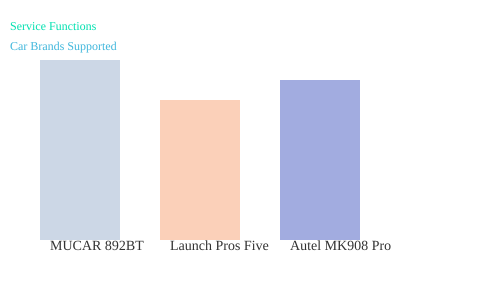
With support for over 140 car brands (MUCAR 892BT) and dozens of service functions, these tools offer broad compatibility and deep functionality. This means fewer trips to the mechanic and more control over your vehicle’s health.
Who Should Invest in Which Diagnostic Tool? Finding Your Perfect Match
Choosing the right automotive diagnostic tool can feel overwhelming, especially with so many options on the market. Whether you’re a weekend DIYer, a professional technician, or a fleet manager, the best OBD2 scanner or auto scan tool for you depends on your needs, vehicle type, and budget. As David O’Leary, Auto Repair Specialist, wisely puts it:
Choosing the right scan tool is like picking the right tool for carpentry – precision matters.
For DIY Mechanics: Affordable, User-Friendly OBD2 Scanners
If you’re a car owner who enjoys handling basic repairs and maintenance, you don’t need the most advanced BMW Diagnostic Tools or JLR Diagnostic Tools. Instead, look for easy-to-use OBD2 scanners like the Ancel FX2000 or ThinkDiag 2. These tools offer:
- Simple plug-and-play operation
- Clear code reading and resetting
- Live data streaming for most makes and models
They’re perfect for diagnosing check engine lights, monitoring emissions, and saving money on trips to the mechanic. Check latest price here.
For Professional Technicians: Brand-Specific Powerhouses
When you work with specific brands or need advanced features, investing in professional-grade tools is essential. For BMW owners or specialists, the BMW ICOM Next paired with ISTA+ software is a must. It enables precision diagnostics, programming, and coding unique to BMW vehicles. Jaguar and Land Rover professionals should consider the JLR Pathfinder, which supports modern models and advanced system functions. For GM vehicles (1992–2013), the GM Tech 2 remains the gold standard for in-depth diagnostics and programming. See customer reviews here.
For Fleet Operators: All-System, Multi-Brand Coverage
Managing a fleet means dealing with various makes and models. Look for auto scan tools with full-system and bi-directional capabilities, such as the Autel MaxiSys series. These tools allow you to diagnose, code, and perform active tests across multiple brands, streamlining maintenance and minimizing downtime.
For Car Enthusiasts: Advanced Coding and Customization
If you love tinkering with your car’s electronics or want to unlock hidden features, invest in scanners that support ECU coding and programming. Tools like the Foxwell NT530 or Launch X431 offer advanced functions for enthusiasts who want more than basic diagnostics.
Tips for Choosing the Right Diagnostic Tool
- Check your vehicle’s make, model, and year for compatibility.
- Compare features versus your budget—don’t overpay for functions you won’t use.
- Consult your vehicle manual or online forums for recommendations.
- Avoid generic scanners if you need brand-specific features.
Personally, I learned the hard way after buying a generic scanner that couldn’t reset my BMW’s airbag light. After researching and switching to a BMW-specific tool, diagnostics became much smoother and more accurate.
How to Choose the Right Automotive Diagnostic Tool: A Step-by-Step Approach
Choosing the best automotive diagnostic tool can feel overwhelming, especially with so many OBD2 scanner buying options, new standards like CAN FD OBD2, and the rise of AI assisted diagnostic features. Whether you’re a DIY car enthusiast, a professional mechanic, or just want to save on repair costs, the right tool can make all the difference. Here’s a step-by-step guide to help you find the perfect fit for your needs.
1. Identify Your Vehicle Make and Model Compatibility
Not all diagnostic tools work with every car. Start by checking if the scanner supports your vehicle’s make, model, and year. For example, some professional diagnostic tools like ISTA+ (for BMW) or SDD JLR Tool (for Jaguar Land Rover) are designed for specific brands and offer deep-level diagnostics. If you own a newer vehicle, ensure the tool supports the latest protocols, such as CAN FD OBD2, which is becoming standard in 2026 models.
2. Determine Your Diagnostics Needs
Ask yourself what you want to accomplish. Basic OBD2 scanners are great for reading and clearing fault codes or checking emissions readiness. However, if you need advanced features like ECU coding, module programming, or bi-directional controls (sending commands to vehicle systems), you’ll need a more advanced or professional diagnostic tool. AI assisted diagnostic tools are now streamlining troubleshooting by offering guided repair suggestions, making them ideal for both beginners and pros.
3. Consider Connectivity Preferences
Modern scanners come in several forms:
- Bluetooth OBD2 adapters (connect to your smartphone via app integration for real-time data and performance checks)
- Wired OBD2 scanners (plug directly into your car’s port for stable connections)
- Software-based solutions (require a laptop and specialized software, like ISTA+ or SDD JLR Tool, for in-depth diagnostics)
Choose the type that fits your workflow and comfort level.
4. Look for Key Features
- Bi-directional controls – for advanced troubleshooting and component testing
- Live data streaming – monitor sensor data in real time
- App integration – for easy updates and user-friendly interfaces
- AI assisted diagnostic – for guided troubleshooting and repair advice
5. Budget Considerations
Think about both short-term cost and long-term value. While entry-level OBD2 scanners are affordable, investing in a professional diagnostic tool can save you hundreds in repairs and hours in troubleshooting. As Sarah Bennett, Automotive Diagnostic Expert, says:
A well-chosen diagnostic tool can save hundreds in repairs and hours in troubleshooting.
6. Check for Software Updates and Manufacturer Support
Reliable software updates ensure your tool stays compatible with new vehicles and evolving standards like CAN FD OBD2. Good manufacturer support means you’ll have help if you run into issues or need new features.
By following these steps, you’ll be well-equipped to choose an OBD2 scanner or professional diagnostic tool that matches your vehicle, needs, and budget.

Maintaining and Caring for Your Diagnostic Tool to Maximize Lifespan
When you invest in the best automotive diagnostic tool—whether it’s a simple OBD2 scanner or a professional-grade AI-powered system—proper care is essential to ensure years of reliable service. Like any precision device, your scanner needs regular attention to keep it functioning at its best. Here’s how you can maximize the lifespan and accuracy of your diagnostic tool with simple, practical maintenance tips.
Treat your diagnostic tool like you would a precision instrument—it’s the key to accurate car health checks. – Emily Foster, Automotive Maintenance Coach
1. Store Devices in Protective Cases and Avoid Extreme Temperatures
Always keep your diagnostic tool in a sturdy, padded case when not in use. This protects it from dust, moisture, and accidental knocks. Avoid leaving your scanner in direct sunlight, freezing cold, or humid environments, as extreme temperatures can damage sensitive electronics and battery life. For example, storing your OBD2 scanner in a glovebox during a hot summer day can lead to internal component failure.
2. Regularly Update Diagnostic Software and Firmware
Automotive technology evolves rapidly, and so do vehicle diagnostic codes. Regular firmware updates are crucial for keeping your tool compatible with the latest car models and systems. Most reputable brands offer easy-to-use update tools—simply connect your device to a computer or Wi-Fi, and follow the prompts. This is especially important for AI-driven scanners, which may require periodic data cache clearing to maintain speed and accuracy.
3. Clean Connectors for Reliable OBD2 Port Connections
Dirt, grease, or corrosion on the OBD2 connector pins can lead to unreliable readings or failed connections. Use a soft brush or compressed air to gently clean the connectors. Avoid using water or harsh chemicals, as these can cause permanent damage. A clean connector ensures your scanner communicates effectively with your vehicle’s onboard computer every time.
4. Avoid Dropping or Hard Impacts
Even the toughest diagnostic tools have sensitive internal electronics. Dropping your device or subjecting it to hard impacts can lead to cracked screens, broken circuit boards, or malfunctioning sensors. Handle your scanner with care, especially when working in a busy garage or workshop.
5. Calibrate Sensors and Perform Periodic Tests
For advanced diagnostic tools with built-in sensors or AI features, periodic calibration is essential. Follow the manufacturer’s instructions for running self-tests or calibrating sensors to ensure ongoing accuracy. This is particularly important for professional-grade tools used in high-volume shops.
6. Consult Manufacturer Guidelines for Maintenance Specifics
Every diagnostic tool is different. Always refer to the user manual or manufacturer’s website for detailed maintenance tips and recommended care routines. Some brands offer video tutorials or customer support for troubleshooting and care.
Remember, while low-cost tools can be tempting, they may not withstand heavy use or harsh environments as well as higher-quality models. Investing in proper care helps any scanner—budget or premium—deliver reliable results for years to come.
Wild Card Section: Imagining Your Car Diagnosed by AI – Future Possibilities
Imagine a world where your car is more than just a machine—it’s your personal health coach, quietly monitoring its own well-being and gently nudging you towards better “car wellness.” This is the future of AI Assisted Diagnostic tools: smart, intuitive, and seamlessly woven into daily life. Let’s take a creative journey into what could soon be possible with Future Automotive Tools and Smart Diagnostics.
AI-Powered Diagnostics: Predicting Failures Before They Happen
Picture this: You’re driving to work when your phone buzzes. It’s not a text, but a notification from your car’s AI diagnostic system. “Front brake pads will need replacement in 400 miles. Schedule service?” Instead of waiting for a warning light—or worse, a breakdown—your car’s AI predicts issues before they become problems. This predictive power comes from analyzing thousands of data points, learning from patterns, and even comparing your vehicle’s performance to millions of others worldwide.
“AI in auto diagnostics is like having a seasoned mechanic whispering insights in real-time.” – Prof. Daniel Kim, Automotive AI Researcher
Integration with Telematics and Smart Home Devices
In this imagined future, your car isn’t an island. It’s connected to your smart home and personal devices. If your car senses a battery issue, it could notify your smart speaker: “Remind Alex to charge the car tonight.” Or, if a tire is low, your garage lights could blink as a gentle reminder. Smart Diagnostics become part of your daily routine, making car care as easy as checking your calendar.
Detailed Health Reports—Right to Your Phone
No more deciphering cryptic dashboard lights. The car’s AI sends a clear, easy-to-understand health report to your phone app. You see color-coded statuses, upcoming maintenance, and even video explanations. This empowers both car owners and mechanics to make informed decisions, reducing guesswork and stress.
Advanced Bi-Directional AI Control for Accurate Repairs
Imagine AI not just reading data, but actively assisting in repairs. During a DIY brake job, the AI could guide you step-by-step, adjusting settings, running diagnostics, and confirming each stage. For professionals, bi-directional controls allow remote experts to assist or verify repairs, ensuring accuracy and safety.
Merging Tech and Tradition: The Human Touch Remains
While AI Assisted Diagnostic tools will revolutionize car care, they won’t replace the human touch. Independent mechanics and DIY enthusiasts will find new ways to blend hands-on skills with digital insights. Think of AI as a trusted co-pilot—always ready with advice, but never taking the wheel from you.
In this future, your car becomes a proactive partner in its own maintenance. Like a fitness tracker for vehicles, it encourages better habits, prevents problems, and keeps you confidently on the road.
Final Verdict & Recommendations: Which Diagnostic Tools Lead in 2026?
Choosing the Best Automotive Diagnostic tool in 2026 is all about matching your needs with the right features. Whether you’re a DIY enthusiast, a professional mechanic, or a specialist working with BMW, JLR, or GM vehicles, the right scanner can save you time, money, and headaches. As Hannah Marshall, Auto Industry Analyst, wisely puts it:
“A reliable diagnostic tool is not just a gadget; it’s peace of mind on the road.”
Quick Comparison of Top Diagnostic Tools
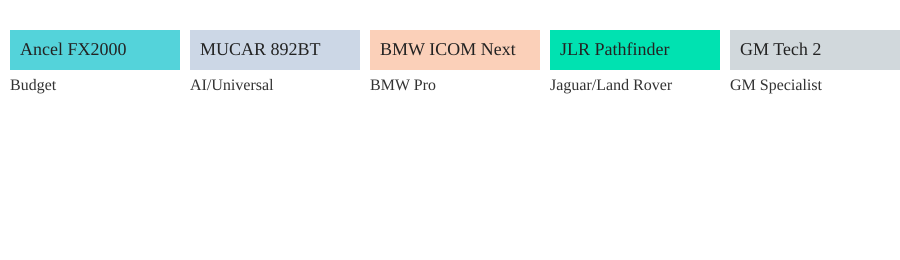
| Model | Best For | Key Features | Compatibility |
|---|---|---|---|
| Ancel FX2000 | Budget DIY | OBD2, ABS, SRS, Engine/Transmission | Most cars 1996+ |
| MUCAR 892BT | All-rounder | AI diagnostics, 140+ brands, 35+ services | Universal |
| BMW ICOM Next | BMW Pros | Dealer-level BMW diagnostics & programming | BMW/MINI/RR |
| JLR Pathfinder | Jaguar/Land Rover | OEM diagnostics, programming | Jaguar/Land Rover |
| GM Tech 2 | GM Specialist | Full diagnostics, programming | GM 1992–2013 |
Which Tool Is Right for You?
- Budget OBD2 Scanners: The Ancel FX2000 is perfect for everyday drivers who want reliable, affordable diagnostics. Check latest price here.
- Mid-Range/Universal: MUCAR 892BT stands out with AI-powered features and wide compatibility—ideal for multi-car households or small workshops. See customer reviews here.
- Professional Diagnostic Tools: For brand-specific needs, BMW ICOM Next and JLR Pathfinder offer unmatched depth for BMW and Jaguar/Land Rover vehicles. Explore options here.
- GM Owners: GM Tech 2 remains the go-to for classic GM models. Find trusted sellers here.
Investing in the Best Automotive Diagnostic tool is a smart move for vehicle longevity and peace of mind. Before buying, consider your car’s make, your technical comfort level, and the tool’s future-proofing. Always purchase from reputable sources with verified reviews to ensure authenticity and support.
Have you tried any of these Professional Diagnostic Tools or Best OBD2 Scanners? Share your experiences or questions in the comments below—your insights help the community!
Quick FAQ: Answering Common Questions About Automotive Diagnostic Tools
As we wrap up our comprehensive guide to the Best OBD2 Scanners and Diagnostic Tools 2026, I want to address some of the most common questions I hear from readers and car owners. Whether you’re a DIY enthusiast, a professional mechanic, or just someone looking to save money on car repairs, understanding how car diagnostic tools work can make a big difference in your automotive experience. Here are clear, straightforward answers to help you feel confident about choosing and using these tools.
What is the easiest diagnostic tool for beginners?
If you’re new to automotive diagnostics, I recommend starting with a basic OBD2 scanner. These tools are designed for simplicity: just plug them into your car’s OBD2 port (usually under the dashboard), and they’ll read error codes or even provide simple explanations on a screen or through a smartphone app. Models like the BlueDriver or FIXD are especially user-friendly, offering step-by-step instructions and clear code definitions. For most car owners, these entry-level scanners are more than enough for routine checks and basic troubleshooting. See customer reviews here.
Can I use one diagnostic tool for multiple car brands?
Yes, most modern OBD2 scanners are designed to work with a wide range of car brands and models, especially vehicles manufactured after 1996. However, some advanced features—like ABS, SRS, or transmission diagnostics—may only be available for certain brands. If you work on different vehicles, look for a scanner that advertises broad compatibility or supports “all makes and models.” Always check the product’s compatibility list before buying. Check latest price here.
How often should I update the diagnostic tool’s software?
Regular software updates are essential for keeping your car diagnostic tools accurate and compatible with the latest vehicles. I recommend checking for updates every few months or whenever you notice new car models on the road. Many manufacturers offer free updates via Wi-Fi or USB, making the process quick and easy. Staying updated ensures your scanner can read the newest codes and provide the most reliable information.
Are professional diagnostic tools worth the higher cost?
Professional-grade diagnostic tools often come with a higher price tag, but they offer advanced features like bi-directional controls, live data streaming, and deeper system access. If you’re a mechanic, run a repair shop, or frequently work on different vehicles, investing in a professional tool can save you time and money in the long run. For occasional home use, a quality consumer-level scanner is usually sufficient.
Is AI really changing automotive diagnostics in 2026?
Absolutely! Artificial intelligence is making diagnostics smarter and more intuitive. Many new Diagnostic Tools 2026 use AI to interpret error codes, suggest repairs, and even predict potential issues before they happen. This technology helps both professionals and beginners diagnose problems faster and more accurately, reducing guesswork and unnecessary repairs.
Still have questions? Feel free to leave a comment below or reach out directly. I’m always here to help you make the best choice for your automotive needs!
TL;DR: Automotive diagnostic tools range from simple OBD2 scanners for everyday users to advanced professional kits like BMW ICOM Next and JLR Pathfinder for precise diagnostics. Major benefits include fault code reading, bi-directional control, ECU coding, and service resets. Choosing the right tool depends on your vehicle type and complexity of tasks. Regular maintenance with these tools not only saves money but deepens your understanding of your car's health.


Leave a Comment