
Unlocking the Power to Stop Procrastination: Finding Purpose and Taking Action

I used to be the ultimate procrastinator, always leaving things until the last moment and feeling frustrated with myself. It wasn’t until I understood the deeper reasons behind my hesitation—my brain’s response to stress and how a powerful sense of purpose can change everything—that I began to break free. In this post, let’s unpack procrastination through stories and science and discover practical ways to take control and get things done.
Why Procrastination Is the Silent Killer of Potential
Let me start with a question: What is the most valuable and important place on earth? It’s not a famous landmark or a bank vault. It’s the graveyard. This may sound strange, but think about it—buried there are millions of brilliant business ideas, life-changing inventions, and bold plans that never saw the light of day. The reason? Procrastination.
“Procrastination is the thief of time.” – Edward Young
Procrastination: Where Good Ideas Go to Die
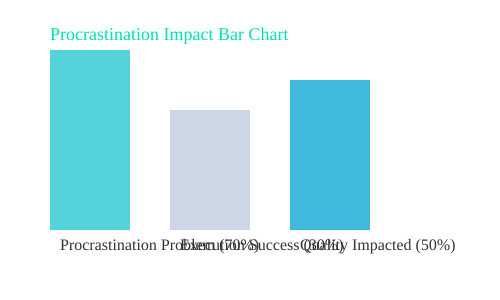
Every year, I make plans. I set goals at the beginning of January, full of hope and excitement. But as the months pass, I notice a pattern: many of my plans remain unfinished. I tell myself I’ll start tomorrow, or next week, or when I feel more ready. But tomorrow rarely comes. This is not just my story—research shows that 50-70% of people identify procrastination as a major problem in their lives. So many well-planned projects fail, not because they were bad ideas, but because they were never executed.
Procrastination buries potential. It’s not just about being lazy or disorganized. It’s about the gap between what we intend to do and what we actually do. The ancient Greeks called this gap acrasia—knowing what’s best for us, but still failing to act. This disconnect is at the heart of chronic procrastination.
The Regret of Unfinished Business
Many of us are familiar with the cycle: we plan, we delay, and then we rush at the last minute. I’ve lost count of how many times I started preparing for an exam or a presentation only hours before the deadline. Each time, I think, “If only I had started earlier, I could have done so much better.” The regret lingers, and I promise myself I’ll do better next time. But often, the same loop repeats.
This isn’t just about academic procrastination or work projects. It’s about life. When researchers ask people at the end of their lives about their biggest regrets, the answers are revealing. Most people don’t regret the things they tried and failed. Instead, they regret the things they never started—the dreams left unchased, the projects left unfinished. Regret and procrastination are deeply connected.
The Hidden Costs: Life Satisfaction and Performance
Procrastination doesn’t just steal time; it steals quality of life. Studies show that chronic procrastination is linked to lower life satisfaction, increased stress, and poorer performance in both academic and professional settings. Academic procrastination is a perfect example: students who put off studying until the last minute consistently perform worse than those who start early. The same holds true for work projects and personal goals.
Here’s a simple truth: last-minute efforts rarely produce our best work. When we rush, we cut corners. We miss opportunities for feedback, improvement, and creativity. The result is often a product that’s “good enough” rather than excellent. Over time, this pattern erodes our confidence and satisfaction.
Why Do We Procrastinate?
Understanding procrastination is the first step toward change. It’s not just about poor time management. Often, it’s about emotional avoidance. We put off tasks because they seem overwhelming, boring, or anxiety-inducing. The gap between intention and action grows wider as we avoid discomfort. This is why so many of us find ourselves stuck in the same cycle, year after year.
Emotional avoidance: We delay tasks to avoid stress, fear of failure, or even fear of success.
Perfectionism: We wait for the “perfect” moment or for ourselves to feel perfectly ready.
Lack of clarity: Unclear goals or next steps make it easier to put things off.
The consequences are real. Not only do we miss out on opportunities, but we also carry the weight of regret and self-doubt. Over time, this can affect our mental health, relationships, and overall sense of purpose.
Procrastination by the Numbers
Let’s look at some data to understand the scale of the problem:
50-70% of people say procrastination is a major problem in their lives.
Many well-planned projects fail—not because of bad ideas, but because of delayed execution.
Last-minute efforts consistently yield lower quality outcomes, whether in school, work, or personal projects.
Breaking the Cycle
Recognizing the silent damage caused by procrastination is the first step to breaking free. It’s not just about missing deadlines—it’s about missing out on our own potential. Each unstarted project, each delayed action, is a lost opportunity to grow, create, and make a difference. The cost is not just measured in unfinished tasks, but in the regret that follows us through life.
If you find yourself stuck in the same cycle of last-minute work and broken promises to yourself, know that you are not alone. Understanding why we procrastinate—and how deeply it affects our lives—is the foundation for change. The power to stop procrastination begins with awareness, honesty, and a willingness to take small, consistent actions toward our goals.
The Neuroscience Behind Procrastination: What Happens in Your Brain
When I first started exploring why I procrastinate, I assumed it was just a matter of willpower. But the truth is, the neuroscience of procrastination reveals something much deeper. Our brains are wired in ways that make putting things off almost inevitable, especially when we face difficult or meaningful tasks. Understanding what happens in the brain—specifically in areas like the amygdala and prefrontal cortex—can help us see procrastination not as a personal failing, but as a natural response that we can learn to manage.
The Amygdala: Your Brain’s Alarm System
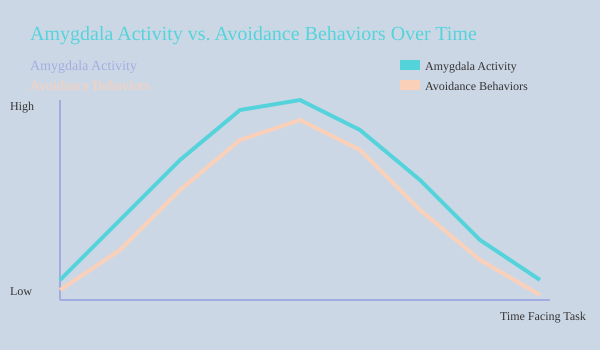
Whenever I face a challenging or significant task, I notice a familiar sense of anxiety creeping in. Neuroscience explains this through the role of the amygdala, a small almond-shaped region deep in the brain. The amygdala is responsible for processing emotions, especially fear and anxiety. When a task feels overwhelming or risky, the amygdala interprets it as a potential threat. This triggers what scientists call the fight, flight, or freeze response.
Fight: Trying to tackle the task aggressively, sometimes leading to frustration or burnout.
Flight: Avoiding the task altogether, often by distracting myself with something easier or more pleasant.
Freeze: Feeling stuck and unable to make progress, even though I know what needs to be done.
This reaction is automatic. The amygdala sends signals that flood the body with stress hormones, making it difficult to focus or take action on the task at hand. As a result, I find myself scrolling through social media or doing anything but the work I need to complete. This isn’t just laziness—it’s my brain’s way of protecting me from perceived danger.
Prefrontal Cortex vs. Limbic System: The Inner Tug-of-War
While the amygdala is busy sounding the alarm, another part of my brain—the prefrontal cortex—is trying to keep me on track. The prefrontal cortex is involved in planning, decision-making, and self-control. It helps me set goals, break tasks into steps, and resist distractions. However, when the emotional signals from the amygdala are strong, the prefrontal cortex struggles to maintain control.
Neurological studies have shown that chronic procrastinators often have less activity in the prefrontal cortex and more activity in the limbic system (which includes the amygdala). This imbalance makes it harder to regulate impulses and stick to plans. In other words, my brain is literally fighting itself—one part wants to avoid pain, while the other wants to pursue long-term goals.
'Your brain is wired to avoid pain and seek pleasure, which influences procrastination.' – Neuroscientist Dr. Jane Smith
Temporal Discounting and Present Bias: Why Immediate Rewards Win
Another key concept in the neuroscience of procrastination is temporal discounting, also known as present bias. This is the tendency to value immediate rewards more highly than future benefits. When I’m faced with a tough project, the discomfort is immediate, while the rewards—like satisfaction, achievement, or career growth—are far off in the future. My brain naturally wants to avoid the present pain and seek out something pleasurable right now, like watching a funny video or chatting with friends.
Temporal discounting explains why I might choose a short-term distraction over a long-term goal.
This is not a character flaw, but a well-documented brain process that affects everyone to some degree.
Research in temporal motivational theory shows that the further away a reward is, the less motivated we feel to pursue it. This is why deadlines often spark a last-minute rush—when the reward (or consequence) becomes immediate, my motivation suddenly spikes.
Reframing Procrastination: Not Laziness, But Brain Wiring
Understanding these brain mechanisms has helped me see procrastination in a new light. It’s not about being lazy or lacking discipline. Instead, it’s about how the amygdala, prefrontal cortex, and limbic system interact, especially when tasks feel threatening or overwhelming. Emotional avoidance is at the core of procrastination, and knowing this allows me to approach the problem with more compassion and strategy.
For example, when I recognize that my brain is trying to protect me from discomfort, I can use techniques from cognitive behavioral therapy (CBT) to address the underlying anxiety. I can also work on strengthening my prefrontal cortex through habits like mindfulness, planning, and breaking tasks into smaller, manageable steps.
Empowering Change: Using Neuroscience to Rewire Habits
Knowing the science behind procrastination empowers me to make strategic changes. By understanding how my brain values immediate comfort over future rewards, I can design my environment and routines to reduce distractions and increase motivation. For instance, I might set up small, frequent rewards for progress, or remind myself of the bigger purpose behind my work. This helps shift the balance from the amygdala’s avoidance response to the prefrontal cortex’s goal-oriented planning.
Ultimately, the neuroscience of procrastination shows that it’s a natural, predictable response to difficult tasks. By learning how my brain works, I can develop practical strategies to overcome avoidance and take meaningful action.

Why Purpose ('Why') Is Your Best Weapon Against Procrastination
When it comes to overcoming procrastination, most advice focuses on time management, discipline, or breaking tasks into smaller pieces. While these are helpful, I’ve found that the most powerful tool is something deeper: a clear sense of purpose—your “why.” Purpose-driven motivation doesn’t just help you get started; it gives you the emotional strength to keep going, even when things get tough. In my experience, the stronger your “why,” the more resilient and motivated you become. Let’s explore how this works, and why it’s the key to purpose driven productivity and lasting change.
Purpose Creates Emotional Motivation and Overcomes Fear
Think about a situation where someone risks their life to save a child from danger. In that moment, fear and hesitation disappear. The “why”—the deep emotional reason—overpowers every obstacle. Compare that to a task you don’t care about, like filling out a meaningless form. Without a strong purpose, motivation collapses, and procrastination takes over.
This is why motivation and purpose are so closely linked. When your “why” is clear and meaningful, it generates powerful emotions. These emotions fuel action and help you push through discomfort, boredom, or fear of failure. Research shows that purpose-driven motivation leads to greater resilience: people with a strong sense of purpose are more likely to persist, even after setbacks.
Real-World Example: Buster Douglas vs. Mike Tyson
One of the most powerful examples of purpose defeating the odds comes from the world of boxing. In 1990, Buster Douglas, an unknown underdog, faced Mike Tyson—the undefeated heavyweight champion. No one expected Douglas to win. By the eighth round, Tyson knocked Douglas down with a brutal punch. Historically, no one had ever come back after being knocked out by Tyson.
But Douglas did something extraordinary. He got back up. In the tenth round, he defeated Tyson, creating one of the biggest upsets in boxing history. When reporters asked how he managed this, Douglas revealed his “why”: his mother had recently passed away, but before she died, she told everyone her son would beat Tyson. For Douglas, this fight wasn’t just about boxing. It was about honoring his mother’s belief and fulfilling her last wish.
“When your why is strong, no knockdown punch can keep you down.”
This story shows how a powerful purpose can help you overcome even the most overwhelming setbacks. Douglas’s skills hadn’t suddenly improved; it was his emotional connection to his “why” that made the difference. When our purpose is bigger than ourselves—when it’s about family, community, or something we deeply care about—no obstacle can keep us down for long.
Purpose Fuels Sustained Action, Even After Setbacks
Procrastination often strikes when we feel disconnected from the reason behind our actions. Without a meaningful purpose, it’s easy to lose motivation, especially after a failure or disappointment. But when you’re driven by a strong “why,” setbacks become temporary. You find the energy to get up and try again, just like Buster Douglas did.
This isn’t just true in sports. In every area of life, purpose gives us the resilience to keep moving forward. Whether you’re studying for exams, building a business, or working on personal growth, a clear “why” transforms hard work into something meaningful. It’s the difference between giving up and pushing through.
When Purpose Is Missing: The Buzz Aldrin Story
On the other hand, a lack of purpose can lead to a collapse in motivation—even after achieving great things. Take the story of Buzz Aldrin, the astronaut who walked on the moon. After reaching this incredible goal, Aldrin struggled with depression. Why? Because his life’s purpose had been focused on that single achievement. Once it was over, he felt lost.
This highlights a crucial lesson: goals are important, but they need to be connected to a larger purpose. Without it, even our biggest successes can feel empty, and procrastination or lack of direction can take over. Strong personal purpose counters procrastination triggers effectively by keeping us emotionally invested in our actions, no matter what stage we’re at.
How to Discover Your “Why”: Reflective Questions
If you want to unlock purpose driven productivity and learn how to stop procrastinating, start by discovering your own “why.” Here are some reflective questions to help you dig deeper:
What do I care about most in life?
Who do I want to help or impact with my work?
What legacy do I want to leave behind?
When have I felt most motivated or alive? What was I doing?
How will taking action on this task or goal make a difference for me or others?
Spend some time journaling or thinking about these questions. The answers will help you connect your daily actions to a bigger purpose. When you know your “why,” you’ll find it much easier to overcome procrastination and stay motivated—even when things get tough.
Key Takeaways: Purpose Links Emotion, Motivation, and Action
A strong “why” creates emotional motivation that overcomes fear and difficulty.
Purpose-driven motivation leads to greater resilience and sustained action.
Historic examples, like Buster Douglas and Buzz Aldrin, show how purpose can empower or undermine motivation.
Reflective questions help unlock your personal “why” and drive meaningful behavior change.
Remember: “When your why is strong, no knockdown punch can keep you down.” Purpose is your best weapon against procrastination—use it to unlock your full potential.
Mapping Your Goals: Breaking Down Big Tasks Into Actionable Steps
Once you have found your purpose—the “why” behind your actions—the next crucial step is to clarify the “what.” Knowing exactly what you need to do is essential for overcoming procrastination and making real progress. This is where mapping your goals and breaking down big tasks into actionable steps becomes a powerful time management strategy. By setting specific goals and using clear milestones, you can transform overwhelming projects into manageable journeys.
“Breaking big goals into clear steps transforms overwhelming projects into manageable journeys.” – Productivity coach
Why Breaking Down Tasks Matters
Research consistently shows that when we break tasks into smaller, actionable steps, we reduce mental load and increase our chances of starting and completing them. Large, vague goals often feel intimidating, leading to procrastination and avoidance. Instead, when you set specific goals and define clear milestones, you make progress visible and tangible. This not only helps you stay motivated but also combats present bias—the tendency to favor immediate comfort over long-term rewards.
From Vision to Action: The Power of Milestones
Imagine you know you want to travel from Dhaka to Comilla. You have a clear destination, but if the road is covered in fog, you can’t drive at full speed. You need to see the path ahead, step by step, to move forward safely. Similarly, in life and work, your path to a big goal is rarely clear from the start. You might not know every detail of how you’ll reach your vision, but you can always identify the next few steps.
This is where milestones come in. By breaking your journey into short-term and long-term milestones, you create a roadmap that guides you through uncertainty. Each milestone acts as a checkpoint, helping you measure progress and adjust your approach as needed.
Analogy: Navigating the Desert with Milestones
Consider the story of travelers crossing a desert before GPS existed. To avoid getting lost, they would place two drums as markers as far as the eye could see. Their goal was simply to reach the next pair of drums. Once there, they would set up the next markers, always focusing on the immediate stretch ahead. Over time, by repeating this process, they would cross the entire desert—even though they could never see the whole route at once.
This analogy perfectly illustrates how breaking big goals into smaller steps keeps you on track, even when the future is uncertain or overwhelming.
Practical Example: Student Study Plan
Let’s say you are a student preparing for an admission test or aiming for top grades in your HSC exams. You know you need to master subjects like Physics, Chemistry, and Math over two years. At first, this can feel like a massive, daunting task. However, by applying time management strategies and breaking the goal down, you can make steady, manageable progress.
First, identify the total number of chapters or topics you need to cover in each subject.
Next, divide these chapters across the two years, then break them down further into monthly and weekly targets.
For example, if you have 24 chapters to study in Physics, you might plan to cover one chapter per month, or break it down to a few pages or concepts per week.
Each week, set specific goals: “This week, I will finish Chapter 3 and complete all related practice problems.”
Each day, set micro-goals: “Today, I will read the first section and solve five problems.”
By chunking your workload in this way, you prevent overwhelm and confusion. You always know what needs to be done today, this week, and this month, making your long-term vision much more achievable.
Time Management Techniques for Breaking Tasks
Effective time management strategies, such as the Pomodoro Technique and time-chunking, can further enhance your ability to break tasks and set specific goals. The Pomodoro Technique, for example, involves working in focused intervals (typically 25 minutes), followed by short breaks. This method encourages you to tackle one small task at a time, making even the largest projects feel less intimidating.
Pomodoro Technique: Choose a task, set a timer for 25 minutes, work until the timer rings, then take a 5-minute break. Repeat. After four sessions, take a longer break.
Time-Chunking: Allocate specific blocks of time to different tasks or subjects. For example, dedicate Monday mornings to Physics and afternoons to Chemistry.
Both techniques help you focus on immediate, actionable steps, maintain momentum, and avoid burnout.
Benefits of Short-Term Milestones
Frequent Rewards: Completing small tasks provides regular feelings of accomplishment, which boosts motivation.
Clarity: You always know what to do next, reducing decision fatigue and confusion.
Visibility of Progress: Tracking milestones makes your advancement toward the big goal visible, which is especially important for long-term projects.
Reduced Overwhelm: Focusing on the next step prevents you from feeling lost or paralyzed by the size of the overall goal.
How to Map Your Goals Effectively
Define Your Long-Term Vision: What is your ultimate goal? Be as specific as possible.
Break It Down: Divide the goal into yearly, monthly, weekly, and daily milestones.
Set Specific Goals: For each time frame, write down exactly what needs to be accomplished.
Use Visual Aids: Consider creating a chart or checklist to track your progress.
Review and Adjust: Regularly check your milestones and adjust your plan as needed.
By mapping your goals and breaking down big tasks into actionable steps, you create a clear path forward—even when the road ahead is foggy. This approach not only improves execution and reduces procrastination, but also helps you maintain clarity and motivation throughout your journey.
Practical Tips to Beat Procrastination and Stay on Track
Unlocking the power to stop procrastination is not just about understanding why we delay tasks, but also about taking practical steps to move forward. After reflecting on your purpose and setting your goals, it’s time to put effective strategies into action. Here, I’ll share actionable tips—grounded in both research and real-life stories—that can help you beat procrastination and maintain your momentum, no matter how big your ambitions are.
Start with a Crystal-Clear Why to Fuel Motivation
Every journey needs a reason. Before you dive into your tasks, take a moment to define your “why.” This is your personal motivation—the deeper reason you want to achieve your goals. When you know why you’re doing something, it becomes much easier to push through resistance. Think of it like driving through a desert before GPS existed. Travelers would place two drums as far as the eye could see, and simply aim for the next pair of drums, not the distant horizon. In the same way, your “why” is the drum in the distance, giving you a clear direction and helping you focus on the next step rather than feeling overwhelmed by the entire journey.
Break Down Tasks and Use Time Management Techniques Like Pomodoro
One of the most effective tips I’ve found is to break big projects into smaller, manageable tasks. When you focus on just the next step—like reaching the next set of drums in the desert—you’re less likely to get stuck or feel overwhelmed. This is where time management techniques come in, especially the Pomodoro Technique. By working in focused 25-minute intervals followed by short breaks, you can maintain your concentration and make steady progress. Research shows that using the Pomodoro Technique can significantly enhance focus and reduce procrastination, as it turns daunting tasks into bite-sized, achievable sessions.
Eliminate Distractions for Sustained Attention
Distraction is the enemy of productivity. Studies suggest that eliminating distractions can improve productivity by up to 30%. To stay on track, identify your main sources of distraction—like phone notifications, social media, or unnecessary internet browsing—and take steps to minimize them. Turn off notifications, use website blockers, or set specific times to check your messages. Creating a distraction-free environment allows you to fully engage with your work and make the most of your focused sessions.
Set Specific, Measurable Goals and Deadlines
Vague goals lead to vague results. Instead, set specific, measurable goals and attach clear deadlines to them. For example, rather than saying “I want to write more,” decide “I will write 500 words by 5 PM.” This approach mirrors the desert navigation story—rather than worrying about the entire journey, focus on reaching the next milestone. Defining your goals for the next year, six months, or even the next week gives you clarity and direction, reducing confusion and helping you track your progress.
Practice Self-Compassion to Avoid Burnout
Procrastination often comes with guilt and self-criticism, which can lead to burnout and even more avoidance. Practicing self-compassion is essential. If you slip up or miss a deadline, treat yourself with understanding rather than harsh judgment. Remember, setbacks are a normal part of any journey. By being kind to yourself, you’re more likely to bounce back and keep moving forward. This cognitive behavioral approach helps reduce the negative emotional impact of procrastination and supports long-term productivity.
Use Mental Shortcuts and Precommitment Strategies
Sometimes, our willpower alone isn’t enough to keep us on track. This is where mental shortcuts and precommitment strategies come in. For example, you might decide in advance to work at a specific time each day, or publicly commit to a deadline so others can hold you accountable. These strategies reduce the mental effort required to get started and help you maintain momentum, even when motivation dips. In fact, research shows that precommitment deadlines can significantly improve task completion rates.
Integrate and Sustain: The Power of Consistent Action
All these effective tips are most powerful when used together. Start with a clear purpose, break your work into manageable steps, use time management techniques like the Pomodoro Technique, eliminate distractions, set specific goals, and practice self-compassion. Add in precommitment strategies for an extra boost. Over time, these habits build on each other, helping you not only overcome procrastination but also sustain your productivity in the long run.
“The best way to get something done is to begin.” – Amy Adams
In conclusion, beating procrastination is a journey, not a one-time event. Like crossing a vast desert, you don’t need to see the entire path ahead—just the next milestone. By applying these practical strategies, you give yourself the tools to move forward, one step at a time. Remember, every small action counts, and with each completed task, you’re unlocking your power to stop procrastination and move closer to your goals.
TL;DR: Procrastination is a complex, widespread problem linked to brain function and emotional responses. The key to beating it lies in discovering a strong purpose, breaking tasks into manageable steps, and maintaining clear motivation. By applying scientifically backed strategies like time management techniques and mental focus practices, anyone can overcome procrastination and achieve their goals.


Leave a Comment